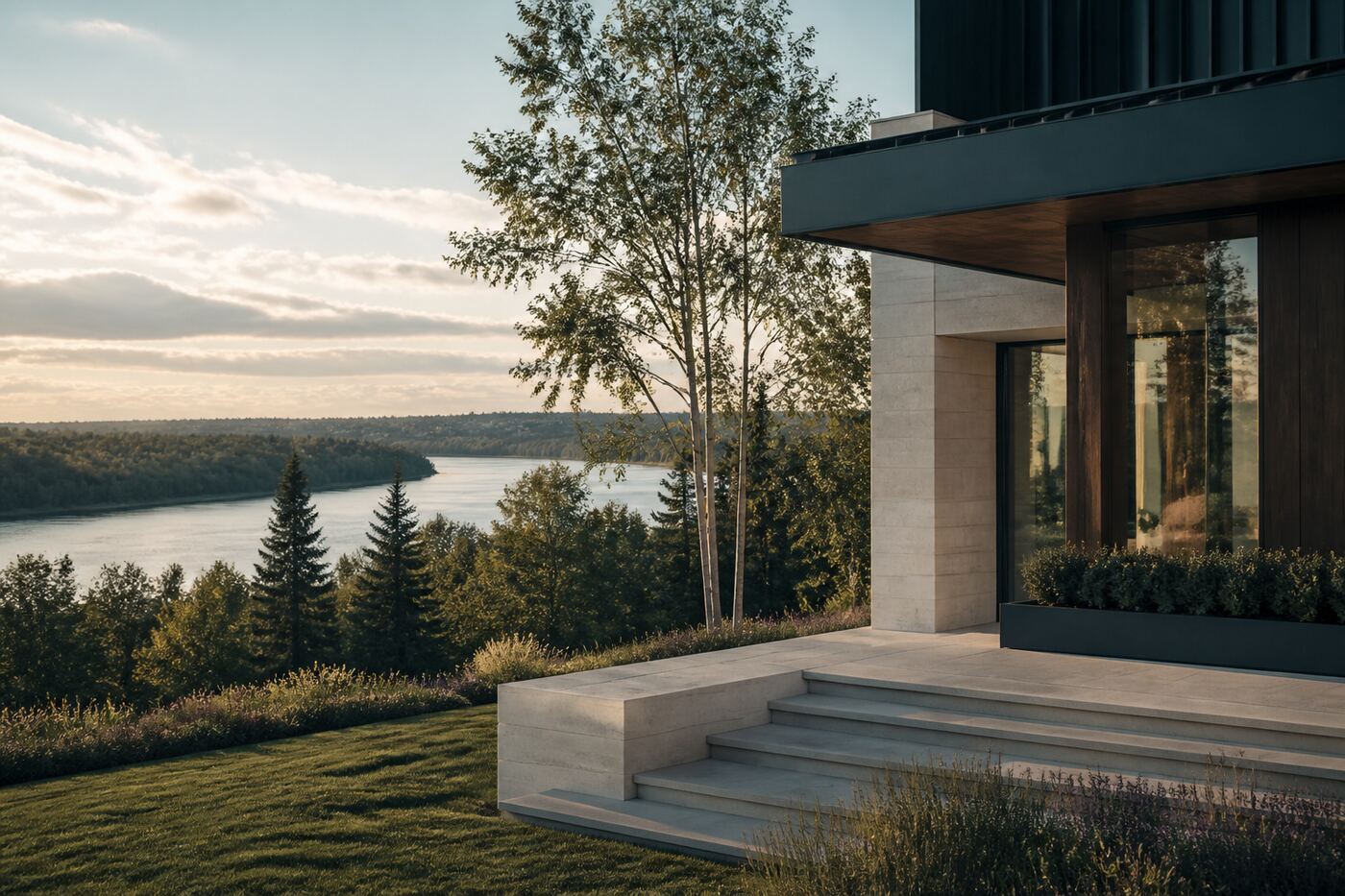
Frame the decision before comparing properties
Identify who owns the adjacent land, what legal boundary exists and how activity changes by time and season. A view is not a guarantee of permanence or private control.
The useful question is not whether a green-edge home should be evaluated boundary first sounds luxurious. It is whether the exact property, current alternatives and client constraints support the conclusion. That keeps a searchable topic from becoming a blanket claim about every home or neighbourhood.
The evidence stack
Title, survey, City maps and current planning provide different layers. Course operations, public policy and the exact property condition require direct verification.
No single document completes the analysis. Listing material describes a seller's offering; municipal sources explain public records and planning context; title, permits, plans, warranties and specialist reports answer different property questions. Current market evidence still has to be interpreted within the correct competitive set.
- Title boundary, ownership and easements
- Public or member access and activity patterns
- Topography, drainage, trees and maintenance
- View, sunlight, privacy and future change
Where the answer can change
Balls, maintenance activity, public paths, foliage loss, slope or future land-use change can alter the experience. Marketing should not imply control over adjacent land.
A strong recommendation labels assumptions, dates time-sensitive facts and explains what would alter the conclusion. It also separates real-estate judgment from legal, tax, lending, appraisal, inspection, engineering, insurance, design and construction advice.
Paul Paiva’s advisory perspective
Paul structures tours and questions around the actual edge condition. Sellers benefit from accurate language; buyers benefit from understanding what the view depends on.
Paul's published background-mortgage work beginning in 2008, subsequent homebuilding experience and full-time real-estate representation-supports a joined-up conversation about acquisition, the physical property and eventual resale. It does not replace a qualified specialist; it helps place specialist findings inside the client's decision.
A field brief for the next conversation
A useful first conversation does not require a client to know every answer. It should make the unknowns visible, separate readily verifiable facts from judgment calls and identify the specialist evidence that belongs outside a real-estate advisor’s scope.
Use the questions below as a starting brief. They are property-led: none assumes that a price band, neighbourhood name or marketing label proves quality, privacy, condition or future value.
- Which facts would confirm or disprove the central thesis about a green-edge home should be evaluated boundary first?
- How should the client compare title boundary, ownership and easements with public or member access and activity patterns?
- Which information is current, dated and tied to the exact property?
- What must be verified by a lawyer, lender, inspector, engineer, appraiser, insurer or other specialist?
- How would the answer change if timing, privacy, condition or the alternative set changed?
Publication note and limits
This is the July 2025 edition in Paul Paiva’s retrospective Edmonton luxury-property journal. It was first published on August 17, 2026; the edition label organizes the monthly series and is not a claim that the article was published in July 2025. Sources were checked on the review date shown above.
The article is general information, not a valuation, appraisal, engineering opinion, inspection, legal opinion, financial recommendation or prediction. Market conditions, regulations, planning documents and property facts change. Verify the exact home, title, approvals, documents and current market before acting.